
Methane production in blue-carbon ecosystems: Rethinking climate change mitigation
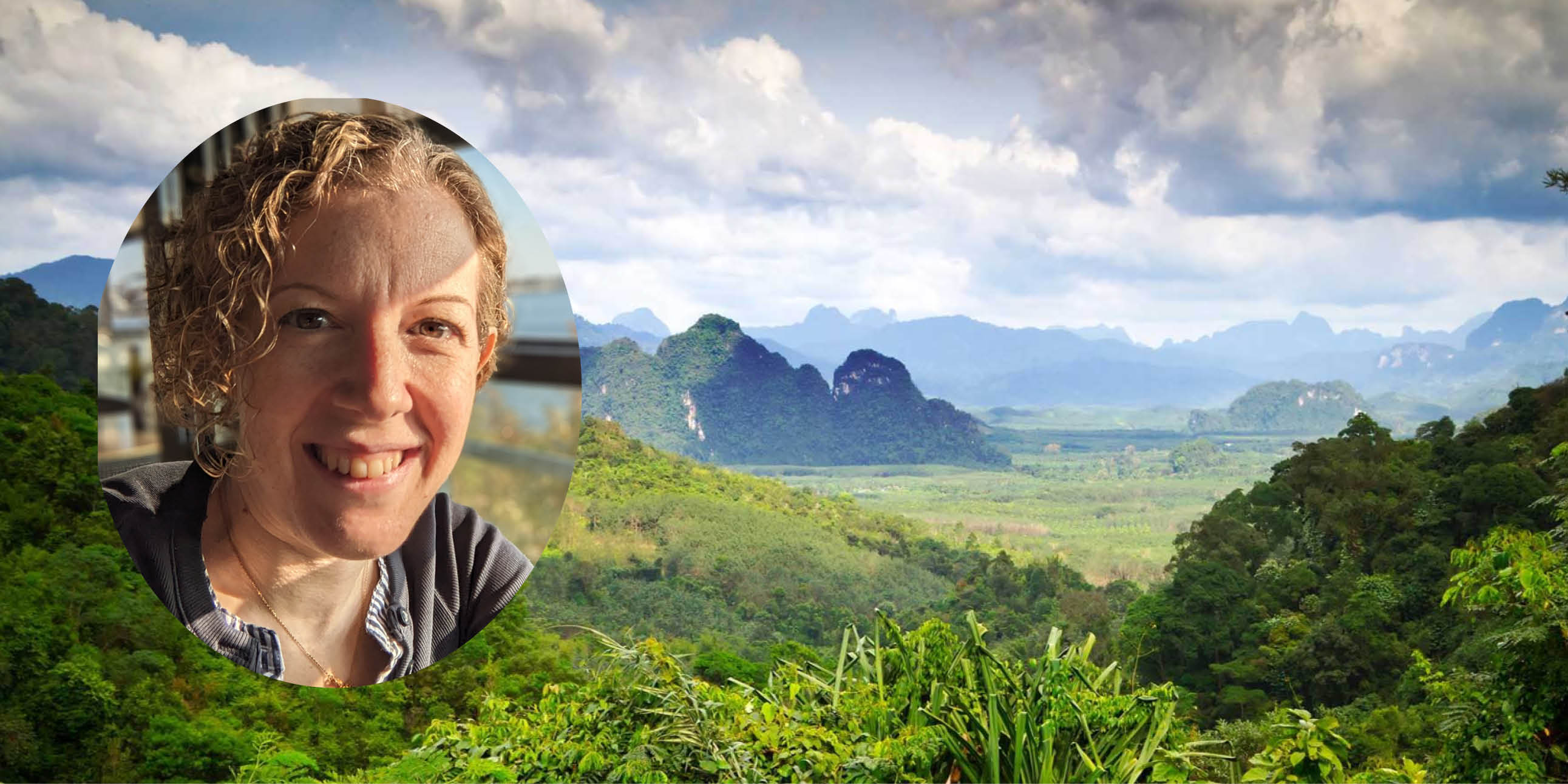
WaterCentre@KTH presents a lunch seminar with Dr. Özge Eyice, Associate Professor in Microbial Ecology at the University of Birmingham.
This is a hybrid seminar and you can either join by Zoom or at Teknikringen 43.
Time: Thu 2026-10-08 12.00
Location: Teknikringen 43 or Zoom
Video link: https://kth-se.zoom.us/j/63606584479
Language: English
Participating: Dr. Özge Eyice
Coastal blue carbon ecosystems are vital for climate change mitigation, storing ~10 times more carbon per equivalent area than temperate forests and contributing ~50% of carbon sequestered in marine sediments. Coastal sediments in estuaries and saltmarshes are dynamic, saline environments and significant, though underestimated, sources of the greenhouse gas methane. As temperatures and sea-levels continue to rise, methane and CO2 fluxes from coastal ecosystems will be altered, potentially transforming blue-carbon ecosystems from carbon sinks into net sources of methane and CO2 in the coming decades.
To develop better-informed climate-mitigation strategies and meet our methane reduction targets, we clearly need to understand microbial methane production, and their responses to rising temperatures and sea-levels in blue-carbon ecosystems.
This talk will focus on the diversity and metabolic pathways of methane production in blue-carbon ecosystems and will highlight the gaps in research related to microbiology of greenhouse gas emissions in coastal environments.
The first 15 to arrive will get a vegetarian wrap and a soft drink!
Dr Eyice is a microbial ecologist, with a PhD degree from the University of Warwick (2012). She began her independent academic career as a Lecturer at the Queen Mary University of London in 2015. She currently works as an Associate Professor at the University of Birmingham.
Dr Eyice works on microbial diversity and metabolic pathways of carbon, nitrogen and sulfur cycles within coastal sediments, peatlands and anaerobic digesters. She uses both traditional microbiology tools and advanced genomics techniques to link microbial diversity to their functions.